2026 Middle East Tensions: Impact on Global Logistics & Shipping
Topics Covered
How 2026 Middle East tensions affect global logistics and what shippers should do now
2026 Middle East tensions are changing global logistics, shipping routes, and supply chains. Rising military tensions in the Middle East region are creating uncertainty, and businesses worldwide are closely monitoring global trade.
One big question: Will global trade slow in 2026?
The answer: Trade goes on, but routes, times, and costs may change.
This article shows how Middle East tensions affect global logistics, the impact on air freight and sea freight, and the steps importers and exporters should take now to lower risks.
What is happening in the Middle East in 2026
In early 2026, rising tensions in the Gulf region led to precautionary safety measures.
Important logistics updates:
✔️ Temporary airspace restrictions and additional safety checks in parts of the region
✔️ Shipping warnings issued for vessels operating near the Strait of Hormuz
✔️ Airlines and shipping companies adjusted routes to ensure safety
These are safety-first measures. Global logistics continues to operate.
Ports stay open. Airports run. Ships move.
Global logistics changes, but it does not stop.
Impact on air freight
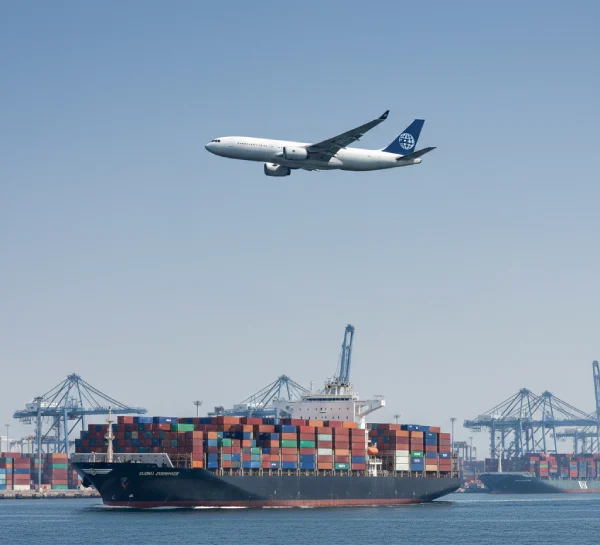
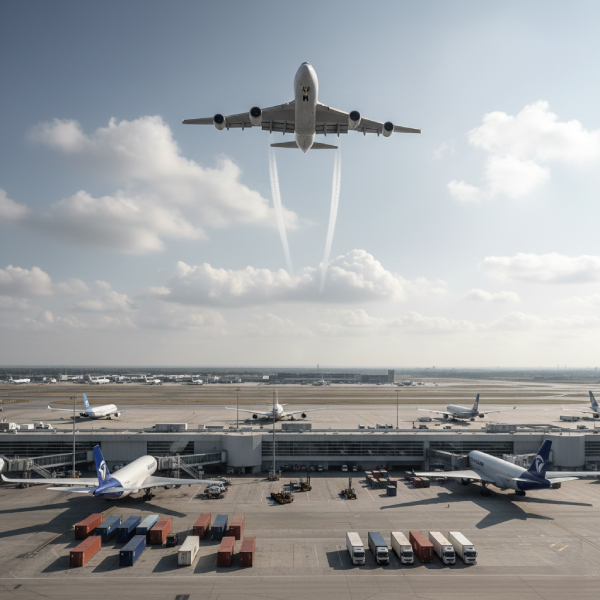
The Middle East connects air cargo between Asia, Europe, and North America.
Because of short-term airspace limitations:
✔️ Long-distance flights are taking new routes
✔️ Transit times are slightly longer
✔️ Cargo space is tighter on main routes
✔️ Air freight prices may rise temporarily
Air services are using safe corridors. Global trade continues to flow.
For urgent shipments, booking early and staying flexible in 2026 is important.
Impact on sea freight and the Strait of Hormuz
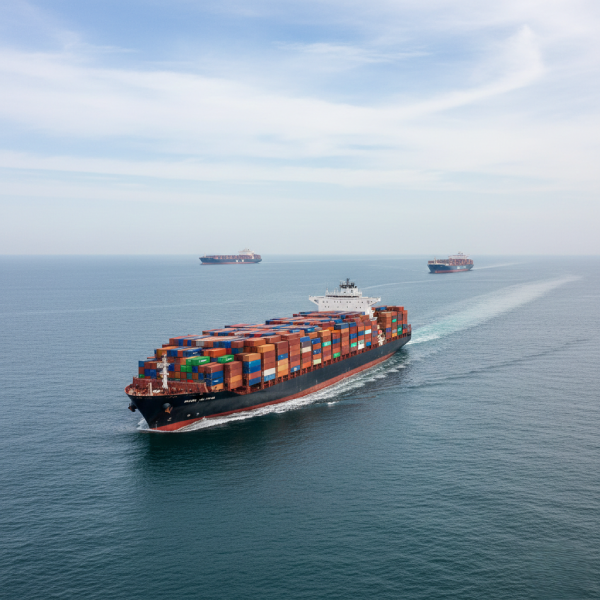
The Strait of Hormuz carries a large share of the world’s oil and container traffic.
Main sea freight changes include:
✔️ Ships switching to safer sea routes when needed
✔️ Temporary additional insurance or security-related charges
✔️ Slightly longer transit times on some routes
✔️ Schedule shifts as vessels move through safer areas
Ports in the region continue normal operations. Shipping companies maintain services with route adjustments.
Sea freight continues with close monitoring.
How Middle East tensions affect global trade routes
Companies outside the Gulf region may also see indirect effects. Asia to Europe trade routes rely on Middle Eastern links.
When routes change:
✔️ Freight prices may rise in the short term
✔️ Ports and airports may become busier
✔️ Container movement may take time to stabilize
This is a period of adjustment, not a shutdown of global trade.
Global supply chains are adapting to route changes.
What importers and exporters should do now
✔️ Add extra days to shipping plans
Build extra time into schedules to manage possible delays.
✔️ Share shipment plans early
Early planning helps secure space and avoid last-minute problems.
✔️ Use flexible routes
Consider alternative ports, airports, or mixed transport options.
✔️ Keep extra stock for key items
Small safety stock protects operations and sales.
✔️ Watch the total delivery cost
Reliable delivery and steady transit times matter as much as freight price.
Why there is no need to panic in global logistics
The logistics industry has handled major challenges before, including pandemic shutdowns, port congestion, fuel price increases, and airspace closures.
Each time, trade recovered and continued.
The 2026 Middle East tensions are serious, but systems are working.
Airlines are flying. Ships are sailing. Ports are operating.
Global trade is moving forward.
Our commitment to stable global logistics operations
Clear communication and planning create stability during uncertain times.
We:
- Monitor air and sea updates daily
- Work closely with airlines and shipping companies
- Secure space on reliable routes
- Provide updates on transit times and freight costs
- Offer route-specific shipment reviews
Your supply chain remains steady, smooth, and informed.
Final outlook in global logistics in 2026
Middle East tensions are changing routes and prices, but global logistics continues.
Strong planning, early booking, and flexible routing keep supply chains stable.
In global logistics, smart planning protects your supply chain and keeps your business moving forward, even during uncertainty.