Topics Covered
Strait of Hormuz Crisis 2026:
How to Keep GCC Cargo Moving via Alternative Routes
- If you move goods to or from the Gulf, the Strait of Hormuz crisis is affecting your supply chain right now.
- Ship services to the UAE, Kuwait, Qatar, and Bahrain face severe reductions.
- Freight costs, transit times, and booking uncertainty continue to rise.
- Jebel Ali remains operational, but with sharply reduced vessel calls, booking suspensions, and increasing reliance on indirect routings via Khor Fakkan, land corridors, and multimodal shifts.
- For businesses shipping into the GCC, alternative routing is no longer optional it is essential.
What Is the Strait of Hormuz?
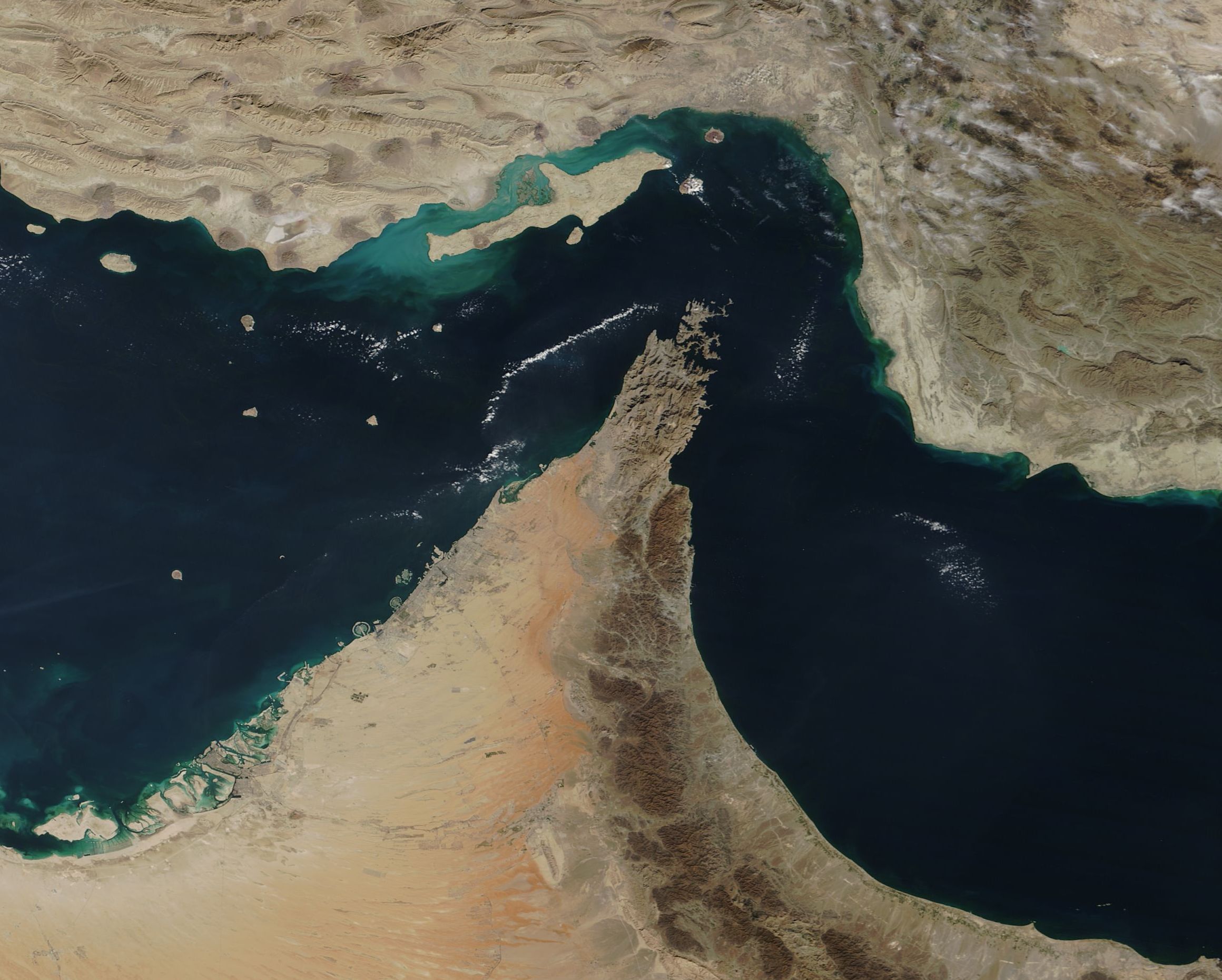
- The Strait of Hormuz is a narrow waterway that connects the Persian Gulf to the Gulf of Oman and the Arabian Sea.
- It lies between Iran on the north side and Oman’s Musandam Peninsula on the south side, with the United Arab Emirates also bordering part of the southern edge.
- It is one of the world’s most important maritime chokepoints.
- Length: About 104 miles (167 km)
- Width: Varies from 60 miles (97 km) to 24 miles (39 km)
Importance of the Strait of Hormuz
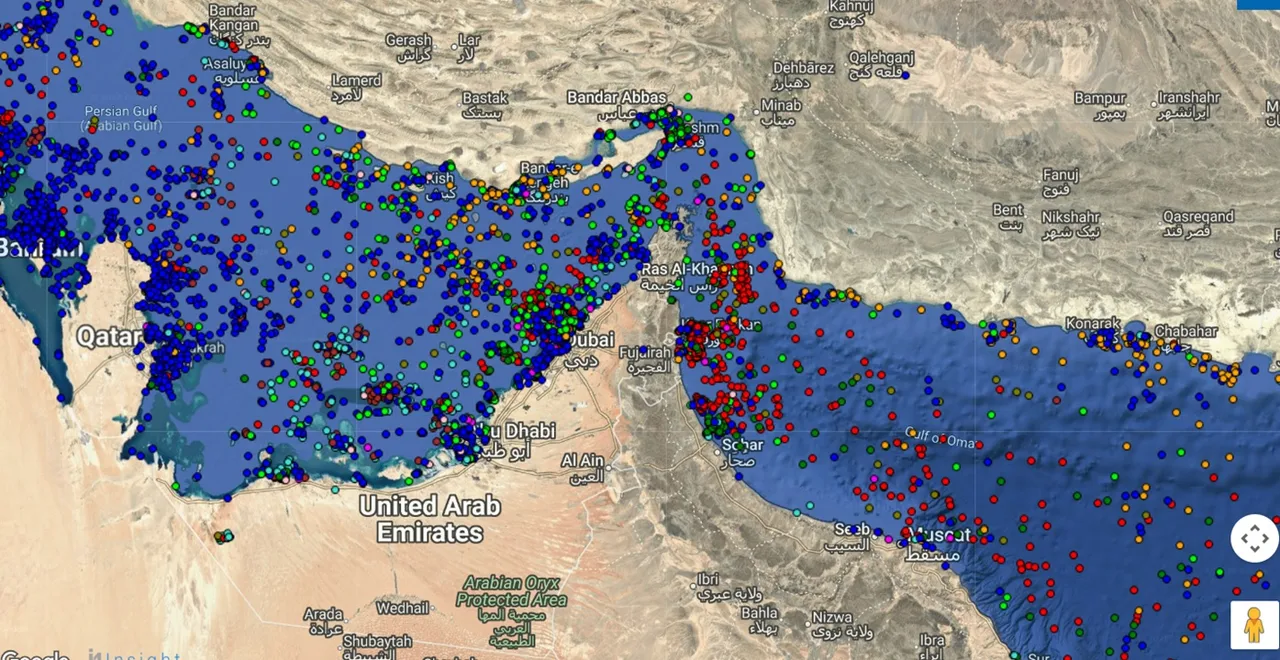
- The Strait of Hormuz is a strategic shipping route for oil, gas, and container cargo.
- It is a vital passage for several Gulf countries, including the UAE, Qatar, Bahrain, Kuwait, and Iraq.
- It is deep enough for large crude oil tankers and major LNG vessels.
- Around 20 million barrels of oil and petroleum products passed through the strait daily in 2024.
- Roughly one-fifth of the world’s oil and LNG trade typically moves through this route.
- Any disruption in the strait can affect freight movement, raise shipping costs, and impact global energy markets.
- Recent conflict has reduced sea traffic significantly, tightening global energy flows.
What Happened in Late February 2026?
- In February 2026, tensions in the region escalated sharply.
- Shipping through the Strait dropped as carriers rerouted or paused calls.
- Maersk, MSC, CMA CGM, and Hapag-Lloyd suspended transits.
- Cargo traffic was severely reduced.
- War-risk premiums increased.
- Many businesses began shifting to alternative ports and land-based connections.
- The crisis created a major logistics bottleneck across the GCC.
Why This Matters for GCC Cargo
- Reduced vessel calls at key Gulf ports.
- Higher freight and insurance costs.
- Delays in container movement and delivery schedules.
- More congestion at alternative ports.
- Greater pressure on trucking and multimodal networks.
- Supply chains depend on stable routing, and that stability is now under strain
Why Businesses Are Choosing Alternatives Now?
- They avoid Hormuz-related disruption.
- They help secure available capacity before space tightens further.
- They reduce the risk of rolled containers.
- They improve supply chain continuity.
- They help keep inventory and production moving.
- Flexibility is now a competitive advantage.
How Adnovs Global Can Help?
- Air, sea, and land logistics across the GCC and UAE.
- Route planning based on current market conditions.
- Cargo movement through Jeddah, Sohar, Salalah, Fujairah, and Khor Fakkan.
- Customs and documentation support.
- Cross-border trucking coordination.
- Real-time shipment visibility.
- We help make cargo movement possible when routes shift.
Conclusion
- The Strait of Hormuz is currently no longer a dependable route for many shipments into the GCC.
- Businesses that adapt quickly are keeping cargo moving, while those that wait are facing delays and higher costs.
- If your supply chain depends on Gulf shipping, alternative routing is now a practical necessity.